Roulette strategy for neighbours bets and the calm side of live tables
Roulette strategy for neighbours bets works best when the pace of the table feels manageable rather than rushed. Live dealer games can move quickly, and cold decisions often cost more than the bet itself. This is not about chasing wins; it is about choosing a pattern that fits your bankroll and your patience. If you prefer a quieter session with fewer sudden swings, a neighbours layout can suit that preference. The trick is treating it as a controlled way to cover numbers, not a shortcut to a profit.
Picking the right live table for a neighbours approach
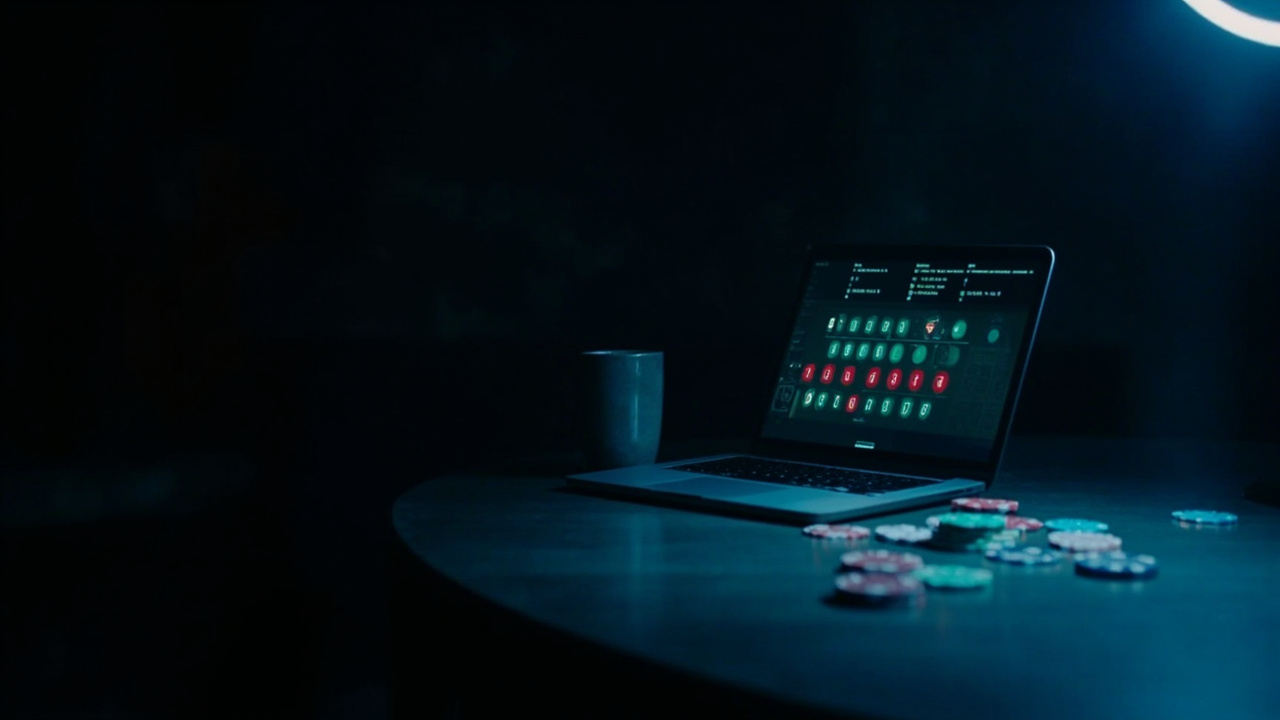
A neighbours bet covers a central number plus the two or four numbers sitting beside it on the wheel. That means you are spreading a single stake across a small slice of the layout, which softens the volatility compared with betting one number in isolation. On a Picklebet live dealer table, the wheel speed and dealer cadence matter more than most players realise. A slower arvo session on a European wheel gives you time to think about stake size and avoid chasing a cold run. I have seen product flows where the bet input feels rushed and people click before they have actually decided; a clean bet slip and clear number labels reduce that friction. If you are comparing live roulette to other real-money games, the same discipline applies whether you are playing on a desktop or spinning up pokies 74 net australia during a break. The table choice is the first real decision, because a wheel with a sensible pace and visible bet history makes a neighbours pattern easier to manage.
Building a neighbours pattern around bankroll and pace
The neighbours approach is about coverage, not certainty, so the stake should reflect the session you actually want. A practical way to set it up is to pick one number you like, decide how many neighbours you want on each side, and then work out a unit that keeps the total bet comfortable over a long run. The list below is the kind of sequence I would walk through before placing the first chip.
- Choose the central number and decide whether you want two or four neighbours on the wheel.
- Set a base unit that leaves room for a full session without stretching your balance.
- Check the total bet across the covered numbers so the outlay matches your plan.
- Place the neighbours bet and watch the wheel cadence before adjusting anything.
- Stop or reduce the unit if the pace starts feeling rushed or the balance drops faster than expected.
That sequence keeps the bet tied to a plan instead of a mood. In my day job managing wagering flows, I have watched sessions go sideways when the stake creeps up after a couple of losses and the player is no longer thinking about the original unit. A neighbours bet can feel steadier than a straight-up pick, but it still carries the same house edge, so the goal is to make the session readable and the outlay predictable. If the table is busy and the dealer is firing rounds quickly, it is worth slowing down rather than matching that speed with bigger stakes. pokies 74 net australia
Where account controls and support actually matter
A neighbours pattern only stays useful if the account around it is easy to control. Deposit limits, session reminders, and a clear way to pause play are the tools that keep a roulette session from drifting into a stressful run. When I review product flows for wagering and racing, I look for settings that are easy to find before the first bet, not buried behind three menus after things have already gone sideways. Support should be reachable without a hunt, and the help should feel practical rather than scripted. Privacy and secure login matter too, because a live table session should not feel like you are negotiating with the platform while you are trying to play. The point is not to turn the game into a spreadsheet; it is to make sure the tools are there when you need them, especially on a mobile screen where everything happens faster.
When this approach fits and when it does not
A neighbours bet is a reasonable fit if you like covering a small section of the wheel and you want a session that feels measured rather than all-in on one number. It is less useful if you are chasing a big hit from a single spin or if you want the fastest possible action on a packed table. Brisbane players who sit down for a relaxed evening session often appreciate a pattern that gives the wheel a bit of structure without demanding constant decisions. On the other hand, if the table is moving fast and the balance is already under pressure, a neighbours layout can still burn through a bankroll just like any other roulette bet. I would rather see someone treat it as a calm way to play a few spins with a clear unit than as a way to force momentum. No setup changes the odds, and no pattern turns roulette into a sure thing, so the real judgement call is whether the style matches the night you actually want.